
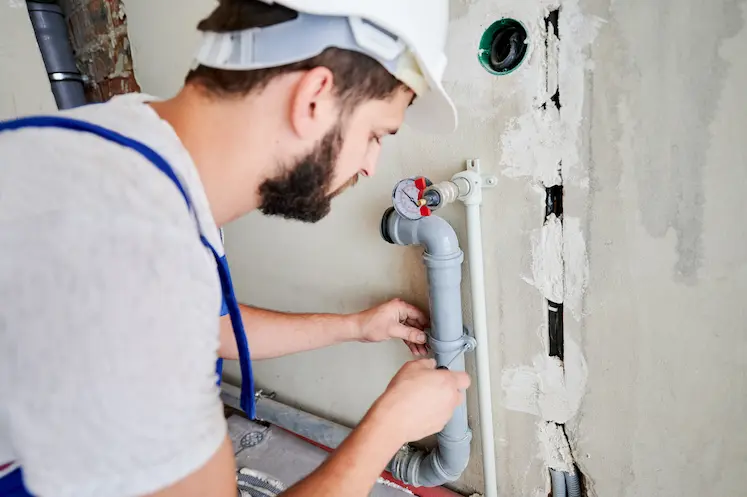
Burst Pipe? What To Do In The First 5 Minutes
The moment you spot water where it shouldn't be, the clock starts. A burst pipe rarely announces itself politely - it's usually a spreading stain on the ceiling, water pooling under a cabinet, or a hissing sound behind a wall. What you do in the next five minutes decides whether this is a quick clean-up or a much bigger repair bill, so it's worth knowing the order to do things in before it happens, not while you're stood ankle-deep working it out.
1. Find the stopcock and turn it off
This is the single most important thing you can do. The stopcock cuts off your home's water supply at the source, so nothing else matters until you've found it. It's usually under the kitchen sink, though older properties sometimes have it near the front door, under the stairs, or in an airing cupboard. Turn it clockwise until it stops. If your home has a separate stopcock for an outside tap or an isolated leak location, turn that off too.
If you genuinely can't find it and water is still running, look for the outside stopcock, usually under a small cover near the pavement or your boundary line. It's worth finding both stopcocks on a quiet day, before there's ever an emergency - a stiff, rarely-used valve can be surprisingly hard to turn under pressure, and knowing exactly where to go saves precious time.
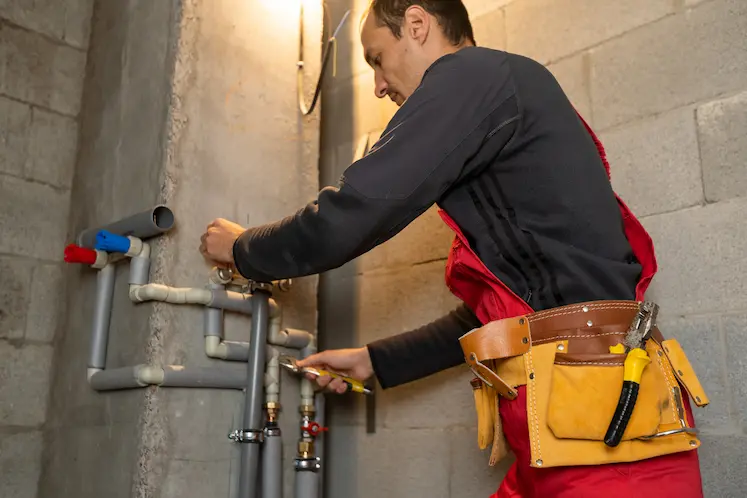
2. Turn off the electrics near the leak
Water and electricity don't mix. If the leak is anywhere near sockets, a fuse box, or ceiling lights, switch off the power to that area at the consumer unit before you do anything else in the room. Don't touch switches or sockets with wet hands, and don't stand in water while doing it - if you're not confident reaching the fuse box safely, leave it and call for help instead. A damp patch spreading toward a socket is one of the few situations where waiting for a professional is genuinely the safer option.
3. Open the nearest cold tap to drain the system
Once the stopcock is off, open a cold tap - ideally the one nearest to the burst - and let it run until it stops. This drains the remaining water sitting in the pipework, which reduces how much keeps leaking out while you wait for help. Flush the toilet once or twice as well, for the same reason. If you have a header tank in the loft, it may keep feeding the leak for a little longer even with the main stopcock off - this is normal, and it should slow to a trickle once it empties.
4. Contain the water and move what you can
Grab towels, buckets, or anything absorbent to stop water spreading further, particularly toward sockets, skirting boards, or a ceiling below. Move furniture, rugs, and anything valuable out of the way if it's safe to do so. If water is coming through a ceiling, get a bucket underneath it and, if you can do it safely, pierce the bulging area with something narrow to release the water in a controlled way rather than letting the ceiling collapse under the weight.
What usually causes a burst pipe
It helps to know what you're dealing with, even if the fix is still a job for a plumber. In UK homes, the most common culprits are frozen pipes that split as ice expands inside them, old copper or lead pipework that's simply corroded through with age, a joint that was never fitted correctly in the first place, or a section of pipe that's been knocked or nicked during other work - a shelf bracket drilled a little too deep is a classic cause. Pipes in unheated spaces like lofts, garages, and under-stairs cupboards are especially vulnerable in cold weather, which is why burst pipes cluster so heavily around winter cold snaps.
Water still running or the damage looking serious?
Call Now 80010261105. Take photos before you clean up
Once the water's under control, take a few photos of the damage - the source of the leak, any affected walls, floors or ceilings, and anything damaged. You'll want these for your insurer, and it takes seconds now compared with trying to remember the extent of it later.
When to call an emergency plumber
Once the stopcock is off, you've bought yourself some breathing room - but a burst pipe still needs a proper repair, not a temporary fix. Call an emergency plumber if:
- You can't locate or turn off the stopcock
- Water is still escaping despite the supply being off
- The leak is near electrics and you're not confident isolating it yourself
- A ceiling is bulging or has already come down
- You need the water back on and don't want to risk the same pipe failing again
A local plumber can isolate the exact section that's failed, repair or replace it, and get your water supply back safely - usually within our 30-60 minute average response. It's also worth asking them to check nearby pipework while they're there, particularly if the burst was caused by cold weather or general age - one failed section is often a sign that others nearby aren't far behind it.
Read next
Locked Out? What To Do Before You Call A Locksmith
A few quick checks before you pick up the phone can save you a call-out fee, or at least help the locksmith who comes get you back in faster.
Read the guide →
How To Find And Reset Your Fuse Box Safely
A tripped switch is one of the few electrical faults you can safely check yourself. Here's how to find your fuse box and reset it without making things worse.
Read the guide →
No Hot Water? What To Check Before You Call An Emergency Plumber
A cold shower on a winter morning is never welcome. Here are the checks worth doing yourself first, before assuming the worst about your boiler.
Read the guide →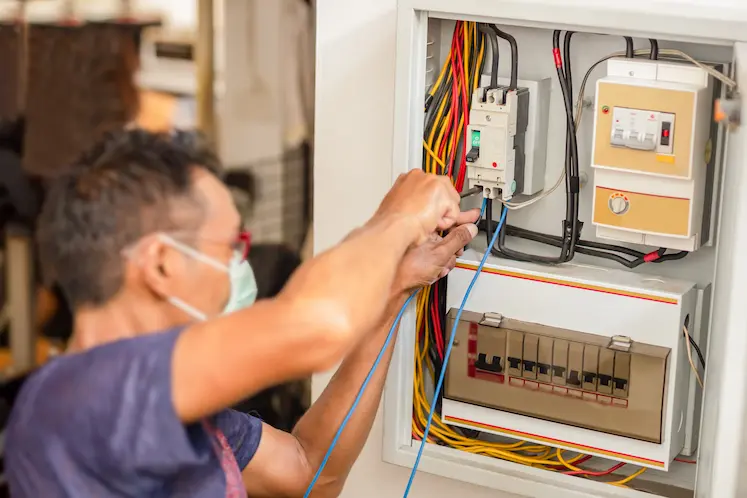
Power Cut? How To Tell If It's Just Your House Or The Whole Street
Losing power suddenly is disorientating. Here's how to work out in a couple of minutes whether it's your fuse board or a wider network fault.
Read the guide →
Key Snapped In The Lock? What To Do Next
A key breaking off mid-turn is a different problem to being locked out. Here's what to check before you try to get it out yourself.
Read the guide →Got a burst pipe right now?
Our line is open 24 hours a day, 7 days a week. Call now and we'll send a local plumber.
Call Now 8001026110