
Power Cut? How To Tell If It's Just Your House Or The Whole Street
Losing power suddenly is disorientating, and the first thing you need to work out isn't what's broken - it's how big the problem actually is. A fault in your own home and a wider network outage look identical from your living room, but they need completely different responses, and calling the wrong one first just costs you time in the dark.
Check your neighbours first
Before doing anything else, look outside. Are your neighbours' lights on? Are streetlights working? A quick look at nearby windows, or a knock next door, tells you in seconds whether this is a problem with your property or something affecting the wider area. If everyone around you still has power, the fault is almost certainly inside your own home.
Check your fuse board
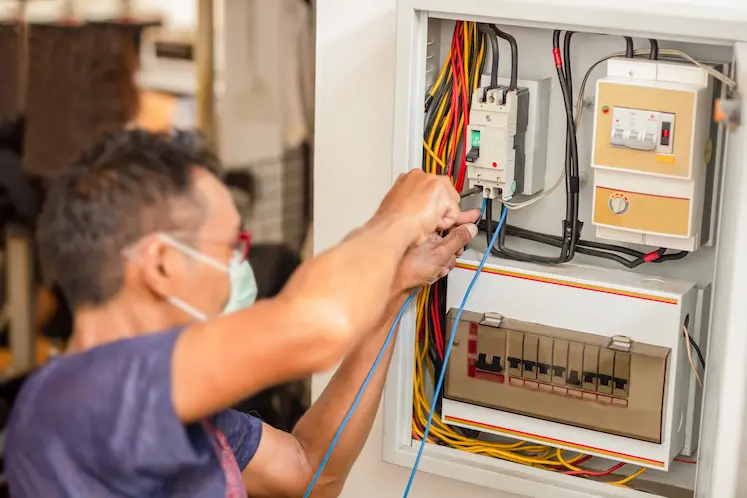
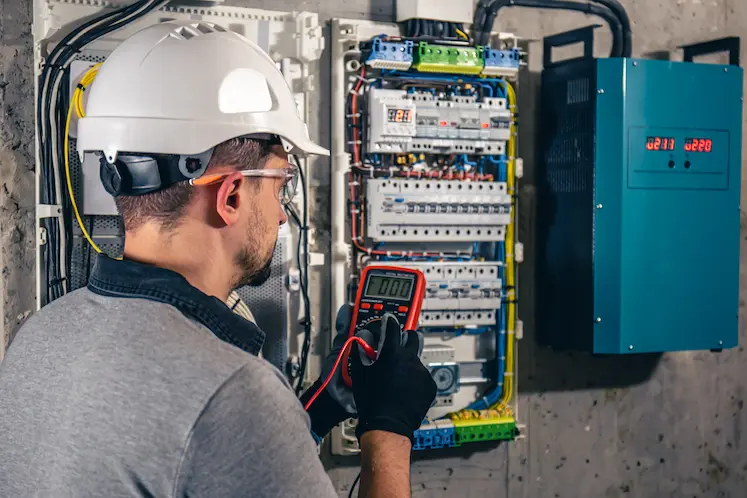
If your neighbours have power but you don't, head straight to your consumer unit. A single tripped switch is by far the most common cause of a sudden, isolated power loss, and it's something you can safely check yourself. Look for a switch sitting in the middle position rather than up with the rest, and try resetting it once. If it trips again immediately, stop - that's a sign of a genuine fault, not something to keep forcing.
Total loss of power to the whole house, rather than just one circuit, sometimes points to the main switch itself rather than an individual circuit breaker. If that's tripped too, it's worth treating the whole board as suspect and getting it looked at properly rather than assuming everything's fine once the lights come back on.
Is it a wider power cut?
If everyone nearby has lost power too, this isn't something an electrician can fix - it's a fault on the network itself, and it needs reporting to your electricity distributor rather than a call-out. Every area of the UK has one, and the number is usually printed on your bill or easy to find with a quick search for your postcode. Wider cuts are typically caused by a fault on the local network, planned maintenance, or severe weather, and the distributor will normally be able to give you an estimated restoration time.
What to do while you wait
Switch off or unplug sensitive electronics and anything that was running when the power went, so a sudden surge when it returns doesn't cause damage. Keep fridge and freezer doors closed as much as possible to hold the cold in. If it's dark or cold, it's also worth checking on any elderly or vulnerable neighbours who might need a bit of extra support until power's back.
Neighbours have power but you don't?
Call Now 8001026110When it's just your property
If your neighbours have power and you don't, or the fault is only affecting part of your home, that's when it becomes an electrician's job rather than the network operator's. A single dead room, a smell of burning, or a fuse board that won't stay reset all point to something inside your property that needs a proper diagnosis. It's also worth noting whether the loss of power happened alongside anything else - a loud bang, flickering before it went, or a specific appliance being switched on - since any of these can help an electrician find the fault faster once they arrive.
When to call an emergency electrician
Once you've ruled out a wider network fault, it's worth getting someone out rather than sitting in the dark guessing. Call an emergency electrician if:
- Your fuse board won't stay reset, however many times you try
- Neighbours nearby still have power but you don't
- You can smell burning or see scorch marks near the consumer unit
- Only part of your home has lost power, not the whole property
- You're simply not confident checking the fuse board yourself
A local electrician can trace the fault properly and get you back up safely, rather than you guessing in the dark.
Read next

Locked Out? What To Do Before You Call A Locksmith
A few quick checks before you pick up the phone can save you a call-out fee, or at least help the locksmith who comes get you back in faster.
Read the guide →
How To Find And Reset Your Fuse Box Safely
A tripped switch is one of the few electrical faults you can safely check yourself. Here's how to find your fuse box and reset it without making things worse.
Read the guide →
Burst Pipe? What To Do In The First 5 Minutes
A burst pipe can flood a room in minutes. Here is exactly what to do, in the order that actually limits damage, before the plumber arrives.
Read the guide →
No Hot Water? What To Check Before You Call An Emergency Plumber
A cold shower on a winter morning is never welcome. Here are the checks worth doing yourself first, before assuming the worst about your boiler.
Read the guide →
Key Snapped In The Lock? What To Do Next
A key breaking off mid-turn is a different problem to being locked out. Here's what to check before you try to get it out yourself.
Read the guide →Dealing with a power cut right now?
Our line is open 24 hours a day, 7 days a week. Call now and we'll send a local electrician.
Call Now 8001026110