Frozen Pipes? How To Thaw Them Safely
When temperatures drop well below freezing, the water inside pipes that run through lofts, garages, outside walls and unheated cupboards can turn to ice. The ice itself is rarely the real problem. The danger is that a frozen pipe can split, and you often only find out when it thaws and water starts to escape. Knowing how to deal with a frozen pipe calmly, and in the right order, can be the difference between a minor inconvenience and a flooded ceiling.
Signs you have a frozen pipe
The most common sign is simple: you turn on a tap and little or nothing comes out, while other taps in the house work normally. Other clues include frost on an exposed section of pipe, a gurgling sound from the pipework, a toilet that won't refill, or a boiler that has stopped working during a cold spell. Pipes in the loft, in an unheated garage, under the kitchen sink against an outside wall, and outdoor taps are the usual places to look first.
1. Stop the water first
If you think a pipe is frozen, turn off the water at the stopcock before you do anything else. That way, if the pipe has already split, the water has nowhere to go when it thaws. The stopcock is usually under the kitchen sink, though it can be near the front door, under the stairs or in an airing cupboard. Turn it clockwise until it stops. Then open the tap nearest to the frozen section, so that water has a way out as the ice melts.
2. Thaw it gently
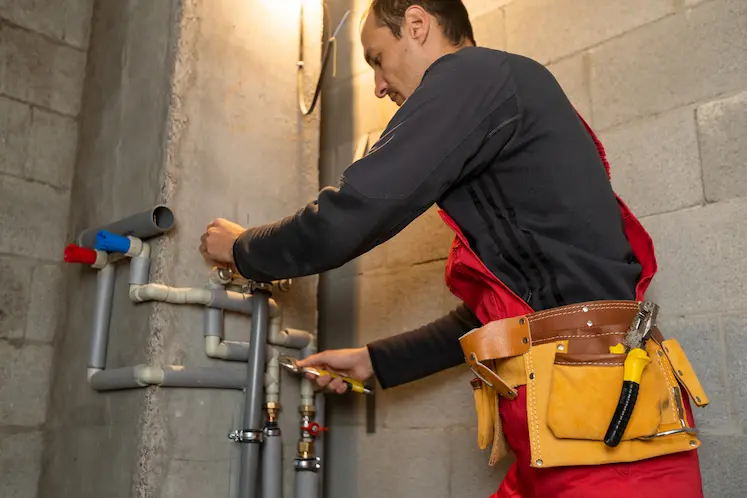
Start warming the pipe at the tap end and work back along the pipe towards the frozen section. Safe ways to do it include a hot water bottle wrapped around the pipe, a towel soaked in warm (not boiling) water, or a hairdryer on a low setting, kept moving and kept well away from any water. Open the tap while you do this so melting water can escape, and leave it open until the flow returns to normal.
Never use a blowtorch or any naked flame. It can overheat the pipe or its joints, melt plastic pipework and start a fire, particularly in a loft or behind a wall. Boiling water is also a bad idea, because sudden heat can crack a pipe that is already under stress. Slow and gentle is the rule. A frozen pipe often takes a while to clear, so don't be tempted to rush it.
3. Check for leaks before you turn everything back on
Once the water is flowing, turn the stopcock back on slowly and look along the pipe and around its joints for drips, damp patches or stains on the ceiling below. Check again an hour later, because a small split can take time to show itself. If you find a leak, turn the stopcock off again straight away, and follow our guide on what to do in the first five minutes of a burst pipe.
If your boiler has stopped: the condensate pipe
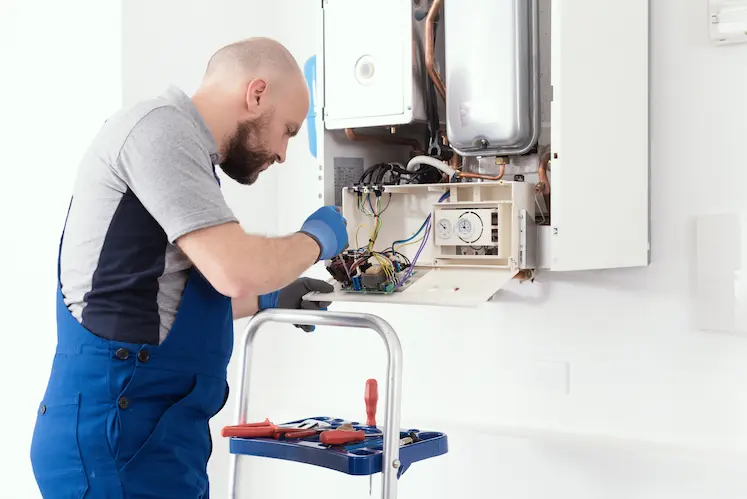
Modern condensing boilers release acidic water through a small plastic pipe, usually running outside the house to a drain. In a hard frost that water can freeze in the pipe, and the boiler will often shut itself down as a safety measure, sometimes with a gurgling noise or a fault code on the display. Check your boiler manual for the fault code, and look for the white or grey plastic pipe that leaves the boiler and runs outside.
If the pipe is frozen and you can reach it safely, pour warm (not boiling) water over the frozen section, then reset the boiler following its manual. Don't open the boiler casing, and don't attempt anything involving the gas supply or internal parts. If the boiler won't restart, the pipe keeps freezing, or you aren't comfortable reaching it, call a qualified heating engineer. And if you ever smell gas, leave the property, avoid switches and naked flames, and call the National Gas Emergency Service on 0800 111 999.
If your boiler has stopped for another reason, see boiler stopped working: what to check and no hot water: what to check before you call a plumber.
Pipe split, water running or no water at all?
Call Now 8001026110Stop it happening again
A little preparation before the next cold snap makes a real difference:
- Find your stopcock now, and check that it turns, so you aren't searching for it in an emergency.
- Insulate (lag) pipes in the loft, garage and any other unheated space, and cover outdoor taps.
- Keep your heating on low in cold weather rather than switching it off completely, particularly if you are away for a few days.
- On very cold nights, opening the loft hatch can help warm air reach pipework up there.
- Fix dripping taps, because a slow drip is a common starting point for a frozen pipe.
- Check that your boiler's condensate pipe is insulated or routed so that it drains quickly.
When to call a plumber
You can often deal with a simple frozen pipe yourself, but call a plumber if:
- You can't find or reach the frozen section, for example if the pipe is inside a wall or under a floor
- There is still no water after you have thawed what you can find
- You see a leak, a damp patch, a stain or a bulging ceiling
- Water has reached sockets, light fittings or the fuse box
- The same pipe freezes repeatedly
A plumber can find the frozen or split section, repair or replace it, and check nearby pipework at the same time. If a pipe has burst, it is also worth contacting your home insurer and taking photos of any damage before you clean up.
Read next
Locked Out? What To Do Before You Call A Locksmith
A few quick checks before you pick up the phone can save you a call-out fee, or at least help the locksmith who comes get you back in faster.
Read the guide →
How To Find And Reset Your Fuse Box Safely
A tripped switch is one of the few electrical faults you can safely check yourself. Here's how to find your fuse box and reset it without making things worse.
Read the guide →
Burst Pipe? What To Do In The First 5 Minutes
A burst pipe can flood a room in minutes. Here is exactly what to do, in the order that actually limits damage, before the plumber arrives.
Read the guide →
No Hot Water? What To Check Before You Call An Emergency Plumber
A cold shower on a winter morning is never welcome. Here are the checks worth doing yourself first, before assuming the worst about your boiler.
Read the guide →
Power Cut? How To Tell If It's Just Your House Or The Whole Street
Losing power suddenly is disorientating. Here's how to work out in a couple of minutes whether it's your fuse board or a wider network fault.
Read the guide →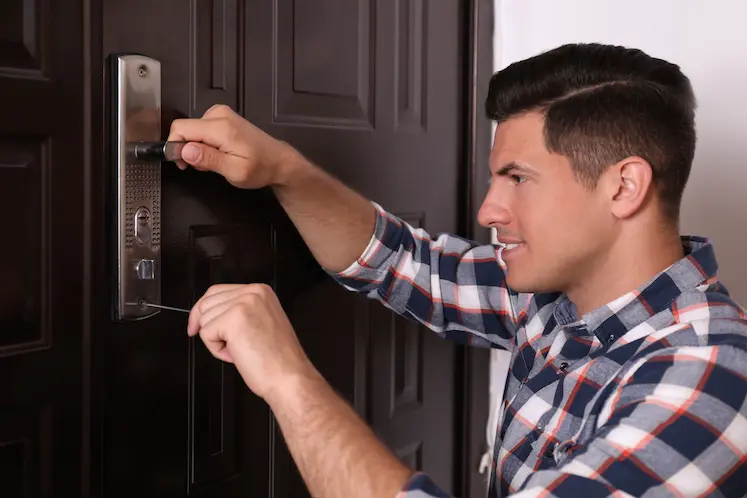
Key Snapped In The Lock? What To Do Next
A key breaking off mid-turn is a different problem to being locked out. Here's what to check before you try to get it out yourself.
Read the guide →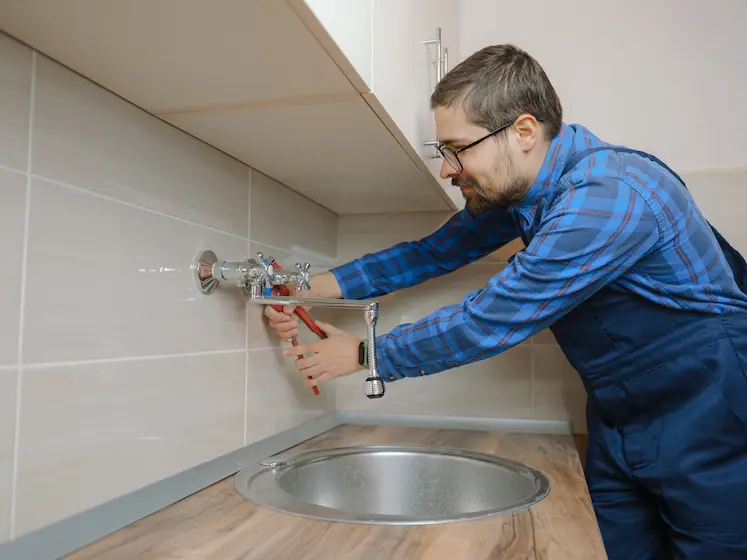
7 Signs You Need An Emergency Plumber (And Can't Wait Until Monday)
Some plumbing problems can sit until the working week. These seven can't. Here's how to tell an annoying drip from a genuine emergency.
Read the guide →
Boiler Stopped Working? What To Do Before Calling For Emergency Repair
Pressure, error codes, strange noises, a smell of gas. Here's what each boiler symptom usually means and which ones need help straight away.
Read the guide →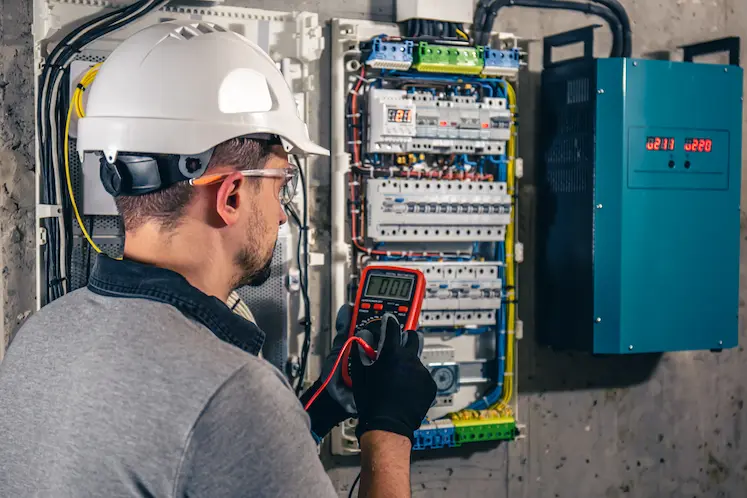
Why Does Your Electricity Keep Tripping? Common Causes Explained
A fuse box that trips once is a nuisance. One that keeps tripping is telling you something. Here's what usually causes it and when to call an electrician.
Read the guide →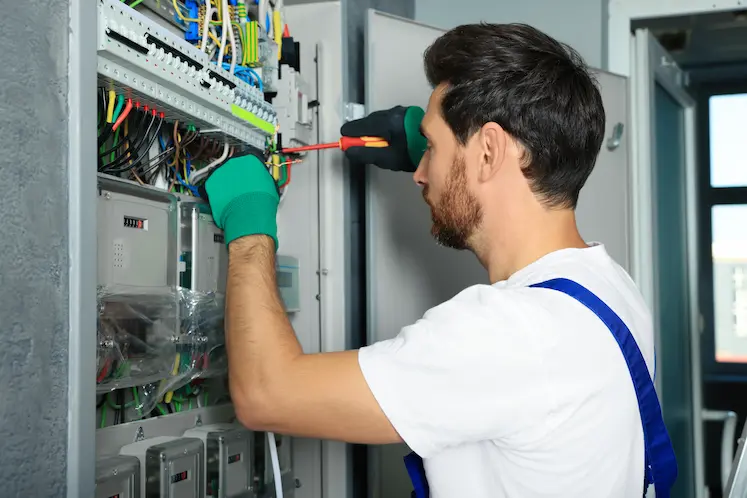
When Should You Call An Emergency Electrician?
Burning smells, sparking sockets and scorch marks are not jobs for the morning. Here's how to separate a genuine electrical emergency from a fault that can wait.
Read the guide →
Blocked Drain Emergency? What To Do Right Now
Gurgling pipes, a toilet that won't flush and water backing up are all warning signs. Here's what you can safely try, and what to leave to a professional.
Read the guide →
How Much Does An Emergency Plumber Cost In The UK?
Call-out fees, hourly rates and why evenings cost more than weekdays. A straight breakdown of what an emergency plumber charges and how to avoid surprises.
Read the guide →
24 Hour Plumber vs Regular Plumber: What's The Difference?
Both fix pipes. The difference is when they turn up, how they're paid and what each is best for. Here's how to choose when something goes wrong.
Read the guide →Need a plumber now?
Our line is open 24 hours a day, 7 days a week. Call now and we'll send a local plumber.
Call Now 8001026110