
Why Does Your Electricity Keep Tripping? Common Causes Explained
One trip is a blip. A fuse box that cuts out every few hours, every time you boil the kettle, or every time it rains is something else. The switch isn't being awkward. It's doing its job, and the useful question is what it's reacting to. If you just need to know how to find and reset the unit, our fuse box guide covers that. This one is about why it keeps happening.
What the trip switch is doing
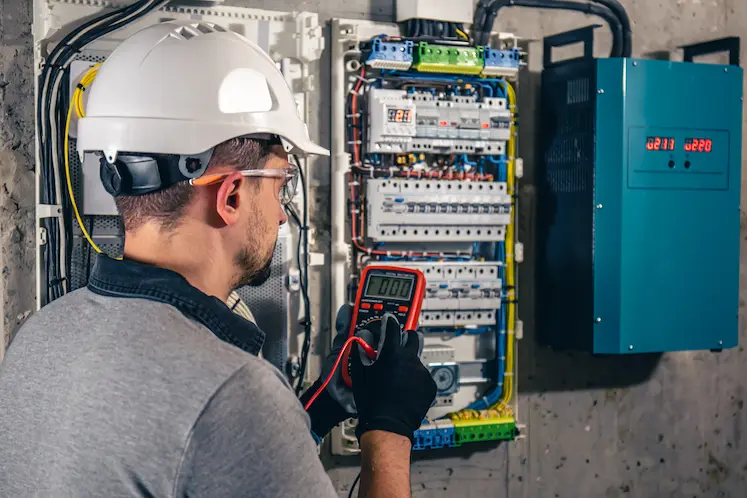
Your consumer unit has two kinds of protection. Circuit breakers (MCBs) switch off when a circuit carries more current than its cable can safely handle. RCDs switch off when they detect electricity leaking to earth, which is how a fault or a person could be shocked. Which switch tripped matters. A single circuit breaker pointing to one circuit narrows the search straight away.
Circuit overload
The most common cause is plain demand. Plug a kettle, toaster and microwave into the same ring in the kitchen and you can ask for more than the circuit will give. The breaker trips, which is exactly what it's meant to do. If it only happens when several heavy appliances run together, you may just need to spread the load. If it happens with very little plugged in, overload isn't the answer.
A faulty appliance
A worn heating element in a washing machine, a damaged lead on a hairdryer or a tired fridge motor can all leak current and trip the RCD. Unplug everything on the affected circuit, reset the switch, then plug appliances back in one at a time. When the trip comes back after a particular item, you've found it. Leave that appliance out and have it repaired or replaced.
Tripping again and can't work out why?
Call Now 8001026110Moisture and earth faults
If the power drops during or after heavy rain, damp is a prime suspect. Water getting into an outdoor socket, a garden light, an extractor fan or a cable running through a wet wall can create a path to earth. Outdoor circuits are usual culprits. Switch off anything outside and see whether the problem stops. Don't touch wet fittings while the power is on.
Old or damaged wiring
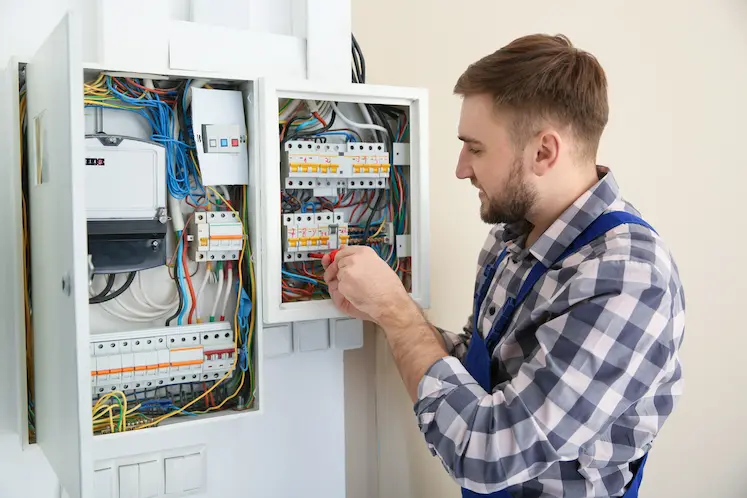
In older properties, insulation becomes brittle over time. A nail through a cable, a rodent chewing in the loft or a loose connection behind a socket can all cause intermittent trips. Warning signs include warm sockets, a faint burning smell, flickering lights and buzzing from the fuse box. These point to a fault that needs to be found, not reset.
How to narrow it down
Switch everything off at the consumer unit, then turn circuits back on one at a time, leaving a few minutes between each. The circuit that trips again is your problem circuit. Write down when it happens and what was running. That detail saves an electrician a lot of diagnostic time. Don't tape down a trip switch, or keep forcing it back up. That removes the protection and creates a fire risk.
When to call an electrician
An occasional trip you can explain is fine. Call a professional if:
- The switch won't stay on, even with everything unplugged
- You can smell burning, or see scorch marks on a socket or the unit
- The same circuit trips repeatedly with no clear cause
- The consumer unit is warm, buzzing or crackling
- You have no power and can't safely isolate the fault
A local electrician can test each circuit, pinpoint the fault and make it safe. Our 30-60 minute average response applies day and night, so there's no need to wait until the morning if the power is out.
Read next

Locked Out? What To Do Before You Call A Locksmith
A few quick checks before you pick up the phone can save you a call-out fee, or at least help the locksmith who comes get you back in faster.
Read the guide →
How To Find And Reset Your Fuse Box Safely
A tripped switch is one of the few electrical faults you can safely check yourself. Here's how to find your fuse box and reset it without making things worse.
Read the guide →
Burst Pipe? What To Do In The First 5 Minutes
A burst pipe can flood a room in minutes. Here is exactly what to do, in the order that actually limits damage, before the plumber arrives.
Read the guide →
No Hot Water? What To Check Before You Call An Emergency Plumber
A cold shower on a winter morning is never welcome. Here are the checks worth doing yourself first, before assuming the worst about your boiler.
Read the guide →
Power Cut? How To Tell If It's Just Your House Or The Whole Street
Losing power suddenly is disorientating. Here's how to work out in a couple of minutes whether it's your fuse board or a wider network fault.
Read the guide →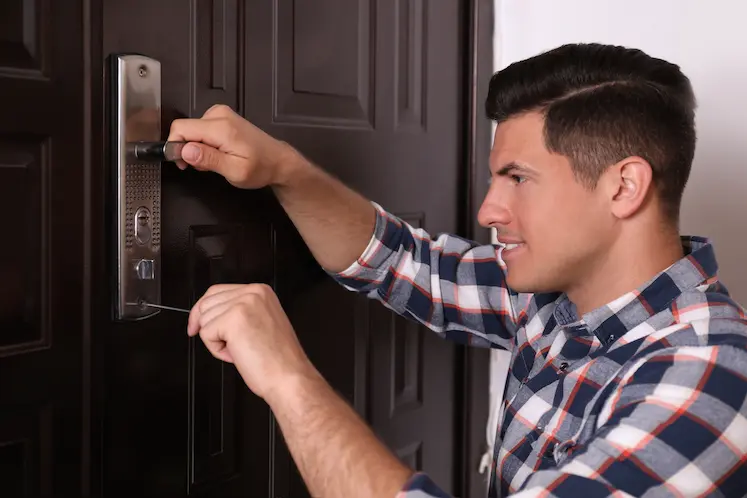
Key Snapped In The Lock? What To Do Next
A key breaking off mid-turn is a different problem to being locked out. Here's what to check before you try to get it out yourself.
Read the guide →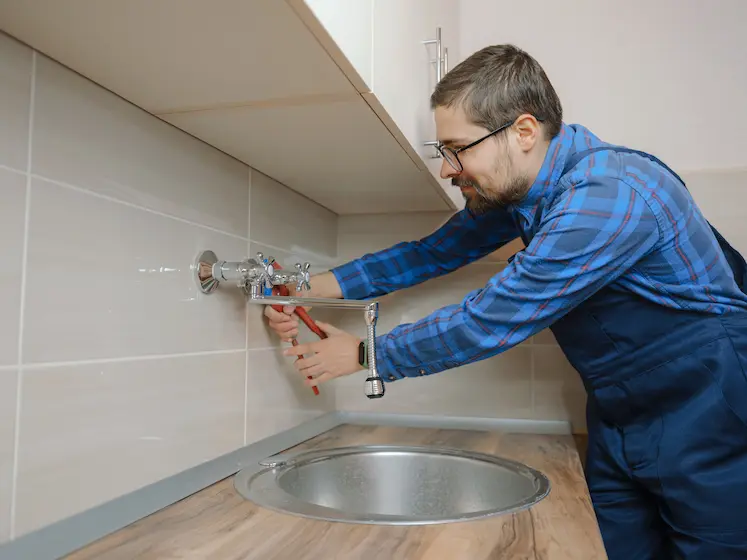
7 Signs You Need An Emergency Plumber (And Can't Wait Until Monday)
Some plumbing problems can sit until the working week. These seven can't. Here's how to tell an annoying drip from a genuine emergency.
Read the guide →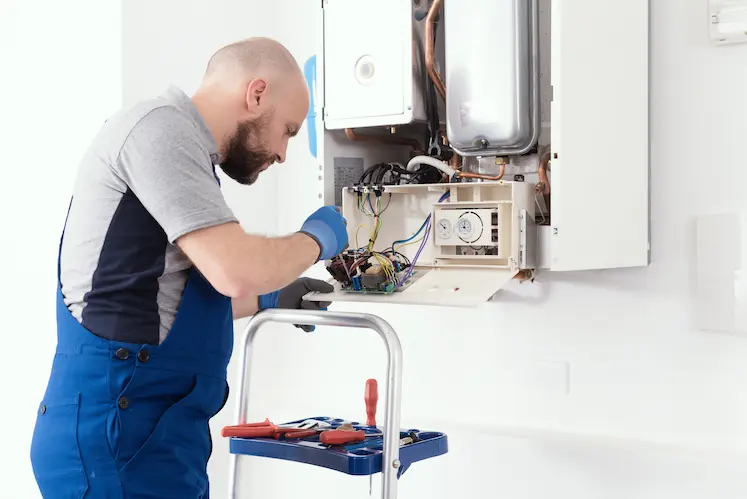
Boiler Stopped Working? What To Do Before Calling For Emergency Repair
Pressure, error codes, strange noises, a smell of gas. Here's what each boiler symptom usually means and which ones need help straight away.
Read the guide →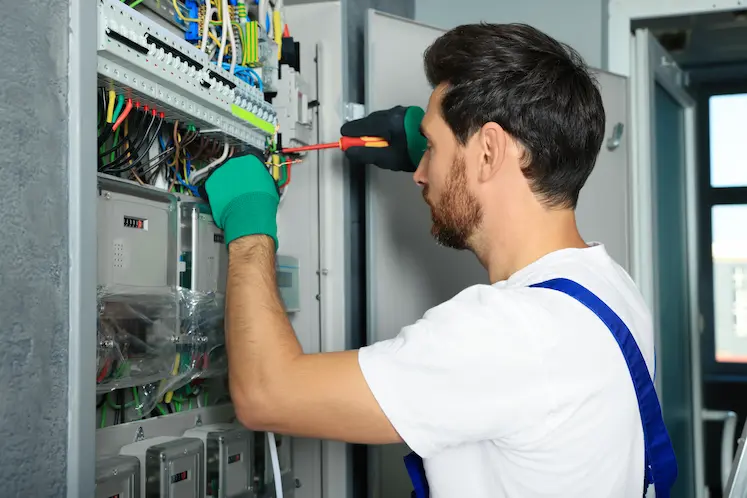
When Should You Call An Emergency Electrician?
Burning smells, sparking sockets and scorch marks are not jobs for the morning. Here's how to separate a genuine electrical emergency from a fault that can wait.
Read the guide →
Blocked Drain Emergency? What To Do Right Now
Gurgling pipes, a toilet that won't flush and water backing up are all warning signs. Here's what you can safely try, and what to leave to a professional.
Read the guide →
How Much Does An Emergency Plumber Cost In The UK?
Call-out fees, hourly rates and why evenings cost more than weekdays. A straight breakdown of what an emergency plumber charges and how to avoid surprises.
Read the guide →
24 Hour Plumber vs Regular Plumber: What's The Difference?
Both fix pipes. The difference is when they turn up, how they're paid and what each is best for. Here's how to choose when something goes wrong.
Read the guide →
Frozen Pipes? How To Thaw Them Safely
A frozen pipe can split as it thaws. Here is how to thaw one safely, what to do about a frozen boiler condensate pipe, and how to stop it happening again.
Read the guide →Fuse box keeps tripping?
Our line is open 24 hours a day, 7 days a week. Call now and we'll send a local electrician.
Call Now 8001026110